Abstract. a reflection.

After a Career Day medicine panel, I met Dr. Ari Marciscano (‘03), a radiation oncologist at Memorial Sloan Kettering (MSK) specializing in genitourinary cancers like the prostate, bladder, and kidney. He was so kind to agree for me to shadow him at his clinic in New York, and so my dream ISP took shape (I hope to become an oncologist in the future).

After taking Honors Biology II, an in-depth study of cancer, I became interested in biology. Over the next few summers, I studied leukemia and breast cancer in lab. While I enjoyed working on the lab bench, I was eager to get a glimpse into the clinical side of medicine.

Over the next few months leading up to ISP, I was incredibly grateful that Dr. Marciscano worked hard to make sure I could smoothly transition to shadowing him at MSK. On my end, I completed online training and many health forms.

Come May, I worked with Dr. Marciscano on treatment planning days and clinic days.

First, on clinic days, we had consults (new diagnosis) and status checks. Each meeting was always a conversation, and Dr. Marciscano prioritized reassuring the patient and his family while answering any bubbling questions. It was great that patients were very open to me sitting in on their meetings. After several consults, I learned quite a bit about prostate cancer and metastatic disease. I soon observed that medicine is a team effort: surgeons, medical oncologists, radiation oncologists and more work together to offer patients the best care possible at MSK.

Second, I learned how radiotherapy treatment planning works, from contouring (or coloring in) where the patient receives radiation to approving doses to viewing images during image guided radiation therapy (IGRT). I was even able to create my own plan, contouring glands and picking up a little anatomy in the process.

Third, through Dr. Marciscano’s mini-lectures and a Grand Rounds talk given by one of the leaders in the field, Dr. Sandra Demaria, I got a taste for how radiation therapy is rapidly changing: Memorial and others are exploring the efficacy of radiation and immunotherapy drug combinations.

Overall, I thoroughly enjoyed this ISP. I could piece together each day and create a composite and representative “day in the life of a radiation oncologist.” Medicine is not the picture we often paint it to be – doctors golfing on vacation in the islands – Dr. Marciscano was always super busy. Thus, it was valuable for me to shadow just one doctor over a few weeks rather than a collection of doctors. That way, I could see all the different aspects of medicine – from replying to emails on the fly to meeting with an add-on patient. My deliverable captured this experience very well; I could process the day’s work by writing it all out in a blog.

Ultimately, this ISP was an eye-opening experience: I now understand that radiation is a billion times more complicated than I had once thought it to be – a zap of cancer cells – and that pursuing medicine truly takes a deep love for your work.

My advice to future seniors: take initiative and find an ISP that you will remember for years and years after – I know that my ISP has deeply resonated with me. Don’t throw away this rare opportunity of when you don’t have ‘school.’ Take this time to explore something new or immerse yourself in something that you already love. Either way, do it with purpose and passion.

5/31/19. clinic #3.

How do you work efficiently and productively, always ensuring patient care is #1?

Friday, May 31, 2019

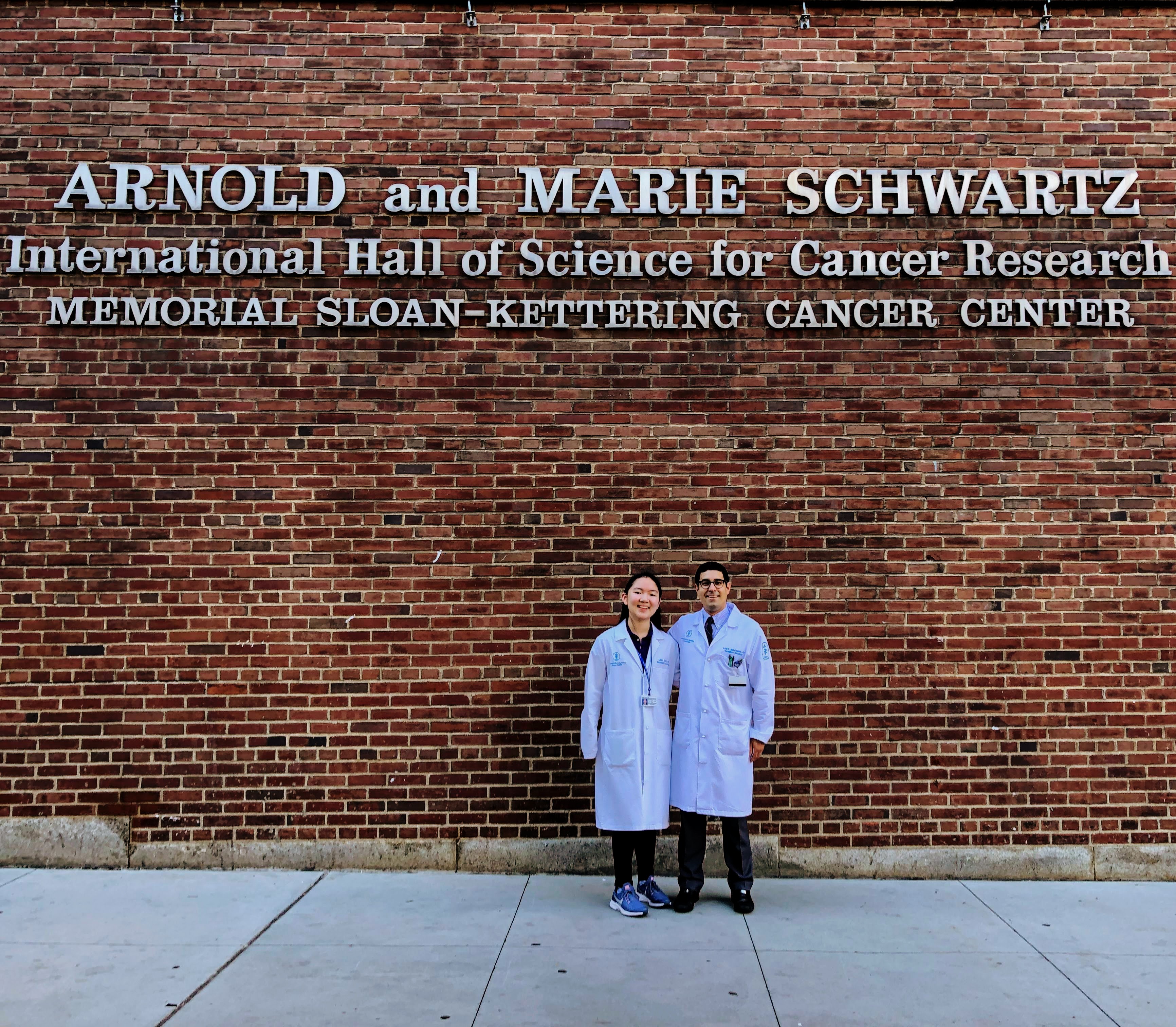
TL;DR: Although it is sad to say goodbye to my ISP, an eye-opening experience that I will never forget and will always look back on fondly, it was wonderful to spend my last day as a busy, busy bee. We worked through a couple patient consults, updating notes and ordering scans as needed, and also took a couple of pictures!

Today, unfortunately, was my last day taking the 6 train up to main campus MSK on 68th for my ISP. The past three weeks flew by in a blink of an eye, whether they were spent in the office working on patient management or meeting with patients.

As I’ll reflect upon in my next blog post (the ISP abstract), this experience was only made possible because of Pingry’s ISP program, of course, and Dr. Marciscano. Even as he was juggling many tasks at once as a junior attending radiation oncologist at MSK, he was still happy to take me on for my ISP and mentor me. He did his job so well, in fact, that I was able to design most of a patient radiation plan – of which he checked over and modified accordingly – and learn all about risk factors, treatment options + side effects, and more for prostate cancer and metastatic disease. As he said to me today, at this point, I might even be able to “do the spiel” for consults! Why? Because he patiently took the time to explain many, many acronyms + concepts with excellent metaphors, and it was important to have the patient (layperson) understand what we were discussing about treating his cancer.

Although we only met a couple of patients today as Dr. Marciscano had to catch his flight to ASCO (American Society of Clinical Oncology) this afternoon, it was quite a whirlwind, busy day. We moved from one patient to the next, and it was great that Dr. Marciscano had prepped his patient notes beforehand so that we could jump right into the conversation with the patient. Afterwards, we would update the notes with the patient’s next steps going forward (generally involves staging workup) and order any necessary scans. We were particularly efficient today at wrapping up consults, and – on my last day – I got a great taste of the level of multitasking and calm temperament you must have to handle all that is presented at you at once.

A quick side note – I learned a couple of terms related to performance scale, a general measurement for a patient’s fitness:

  • ECOG scale – from 0 to 5, with 0 being most active and healthy
  • Karnofsky performance scale – from 0 to 100, with 100 being most active and healthy
  • Careful! These two scales are nearly exact opposites in what the lower or higher numbers mean.

As we said goodbye to our last patient of the day, Dr. Marciscano left for his flight to ASCO in Chicago. I can’t wait as well to see major results from the convention on its Twitter feed and website, as ASCO is one of the largest international conferences where expert oncologists and researchers in the field share practice-changing clinical research. With a couple hours left before my bus back to Jersey would leave New York, I returned to midtown and explored Bryant Park and the surrounding area. I even bought Cancer: The Emperor of All Maladies, by Siddhartha Mukherjee, at a nearby Barnes and Noble; in truth, this is reading that I should have dove into after watching the documentary sophomore year, but I hope to start it this summer along with Quantum Evolution to gain further insight into the oncology field.

Again, as I will reflect upon in my next post, this ISP was absolutely amazing and more than I could ever ask for. I had always hoped to design an ISP where I could shadow a physician, and this dream surely came true with Dr. Marciscano at one of the leading cancer institutes in the US, Memorial Sloan Kettering. Hopefully, I will be back at MSK sometime in the near future as a physician or researcher – who knows? Maybe both. 🙂

5/29/19. a little bit of everything.

How do we put it all together – the good, the bad, and the ugly?

Wednesday, May 29, 2019

TL;DR: Today we had a mix of office work (patient management aka patient phone calls) and clinic patient appointments. I worked through my first plan today using CT scans, contouring many different regions and glands; as it was definitely one of the busier days, I was able to learn quite a bit more about what a “day in the life of a rad onc” looks like.

After hanging out in Grand Central for a bit, I headed up to Dr. Marciscano’s office on 48th around 9:00 in the morning. While today was Wednesday, meaning that it should mostly be a “patient management/treatment planning day,” we had a mix of both administrative work and patient care. Because Dr. Marciscano is leaving this Friday for the 2019 ASCO Annual Meeting, he shifted his afternoon clinic on Friday to this afternoon. ASCO, American Society of Clinical Oncology, represents doctors of all fields in oncology; its annual meeting, one of the largest scientific events in oncology, is an exciting opportunity for physicians to learn, discuss, and share research or clinical findings with each other.

I met Dr. Linda Chen (whose white coat I borrow a lot – thanks Dr. Chen!), one of Dr. Marciscano’s classmates during his residency at Johns Hopkins. She is also a radiation oncologist, but she specializes in head and neck cancer instead. After a brief discussion with Dr. Chen, Dr. Marciscano and I headed back to his office and started working on a treatment plan.

Last week, I watched Dr. Marciscano contour several different types of cancers, from localized prostate to metastatic; today, I had the opportunity to contour the plan myself!

Below are the finished products of around two and a half hours of contouring the normal glands and the prostate (patient not identified). [*Left is right on patient v.v.]

Axial view
Axial view 2
Sagittal view
Coronal view

First, I outlined the normal glands and regions: the rectum (brown), the bladder (yellow), the sigmoid of the colon (dark green), and the small bowel (lighter green). In order to do so, I worked through every other slice of an image on the axial/transverse view, checking my contouring in the sagittal and coronal views to make sure everything was lining up. The most difficult aspect of contouring was definitely figuring out which part is what; knowing at least a bit of the anatomy is very helpful in the process. To better visualize each part, we sometimes switched into the “brain” mode from the “soft tissues” mode.

After Dr. Marciscano made some edits on my contours, we moved onto the prostate and the seminal vesicles. Interestingly, in prostate cancer, there is no GTV because the entire prostate is at risk. Therefore, the CTV (covered in a previous blog post) is the prostate outlined in orange, and the PTV is outlined in red. While working on the prostate, I also learned a bit about the anatomy of the prostate (apex, base, transitional zone, peripheral zone etc.), the vessels (aorta bifurcating into smaller vessels), and the lymph nodes. At the end, as you can see, we had a nice and colorful work in progress plan for this patient. It was super cool to see the finished product of a plan I had contoured myself.

After going through some more emails, Dr. Marciscano and I went up to main campus on 68th for some patient appointments (mostly status checks).

Again, it was a pretty busy – but fulfilling – day overall as we had appointments and places to go one after the other. On the way to main campus, we had the chance to talk about everything from Dr. Marciscano’s research in mice on combining SBRT and immunotherapy to the differences in high-volume, highly academic and intense cancer care institutions throughout the US (Memorial, Harvard, Hopkins, to name a few).

Today was a great mix of a little bit of everything. It gave me the impression that, though medicine can at times be stressful and busy and ugly all at once, it can also be immensely rewarding. At the end of the day, the physician’s job is to put all the puzzle pieces together for the patient and lead him to a potential path to healing or cure.

5/24/19. clinic #2.

How do patients enroll in clinical trials (informed, eligibility etc.)?

Friday, May 24, 2019

TL;DR: After a busy hour as “Doctor of the Day,” Dr. Marciscano and I met with seven patients in his clinic. I learned more about the process behind how patients enroll in clinical trials and treatment for post radical prostatectomy biochemical recurrence.

Arriving at the 67th street entrance of MSK around 8, I took the elevator up to the third floor. Dr. Marciscano was covering for one of his colleagues as “Doctor of the Day; (DOD)” essentially, he would be responsible for approving patients for their daily radiation treatments, reviewing images before treatment, and addressing any clinical issues that may arise. Although the frequency varies at different locations, Dr. Marciscano explained that he is DOD around three times every six months in New York. As DOD, he would cover that entire floor of radiation treatment for all kinds of patients for the entire day.

While at first it was a little bit crazy with plenty of multitasking on Dr. Marciscano’s end (sending and responding to emails, following up on a couple of problems), the pager soon fell silent (probably as Memorial Day weekend was coming up), and we had a quick breather. During this time, we discussed some of the problems that had arisen that morning.

  • Creatinine, a chemical waste product from muscle metabolism, is typically excreted in the urine as healthy kidneys filter this chemical from the blood. An increased level of creatinine in the blood means that the kidneys may not be functioning correctly. Unfortunately, with poorly functioning kidneys, the contrast agents for the CT scan (e.g.) will not be cleared from the body efficiently and effectively, leading to prolonged exposure and a higher chance of kidney damage.

We also reviewed some images taken right before a patient’s treatment together; this is another important aspect of radiation therapy (prior to today, we had reviewed treatment planning/contouring and dose approval) – hence the name image-guided radiation therapy (IGRT). The images generated are essentially low-quality X-rays and typically only show the bones. This ensures that the patient’s cancer is lined up with the previously established treatment plan and only the cancer is being targeted with high doses of radiation.

Around 9, we headed up to the fourth floor to prepare the notes for his patients in clinic. This time for clinic, Dr. Marciscano asked me to take notes on patient’s symptoms and their plans for treatment; this was a great way for me to process all the information I heard throughout the day. We met with a total of seven patients that day (technically eight, as he had one patient left when I left around 4:20), ranging from status checks to newly diagnosed patient meetings.

  • We discussed cases where there was a relapse shortly after surgery (post radical prostatectomy, meaning the prostate was removed) and post-operative management involving the combination treatment of radiotherapy and ADT (androgen deprivation therapy aka hormonal therapy). While these patients no longer have a prostate, their rising PSA levels post-surgery indicate a biochemical recurrence. In this situation, microscopic prostate cancer cells may still be sitting in the prostate fossa (where the prostate once was) or in the lymph nodes – too small to see on imaging, but still secreting detectable levels of PSA.
    • In these cases, it is important to use systemic treatments like hormone therapy in addition to the localized radiation therapy. Hormone therapy shuts down testosterone production and effects (as Dr. Marciscano describes, the fuel to the fire that is prostate cancer) often administered as daily oral pills and/or injections.
  • For patients with unfavorable intermediate-risk prostate cancer (4+3 Gleason), we reviewed a couple of treatment options, ranging from localized radiation therapy to radiation + ADT or brachytherapy + radiation for an extra boost.
  • During status checks, we discussed next steps for the patients – both of whom were doing very well in their treatments – and any side effects that they might be having.

Another important aspect of patient care is to offer the opportunity to participate in a clinical trial, if interested/willing and eligible. We consented patients to a phase II trial seeking to improve upon the current standard for post-operative management for prostate cancer with ADT + RT. This is a multi-institutional study also involving clinical investigators at the Dana-Farber Cancer Institute. Before signing consent for enrollment, patients were educated on the two “arms” of the trial with MSK research representatives describing the standard or care and experimental arms. After the patient provided their consent for participation, all of the patients medical history and medications are carefully reviewed by the research team to ensure that they are eligible and safe to enroll on the trial.

Proof of the valuable relationship between physician and patient – one of Dr. Marciscano’s patients generously gave a book to me to read after only having met once before in another status check. Dr. Marciscano clearly connects very well with his patients – a goal that I aspire to achieve if I choose to pursue a medical career. I can’t wait to dive into the book!

Overall, it was yet another interesting and busy day in clinic. I got a little taste of what enrolling in clinical trials looks like, did not get lost in the hospital (yay!), and learned a lot about the future of prostate and kidney cancer treatments!

5/22/19. making connections.

Making connections and expanding upon today’s possibilities.

TL;DR: After going through some administrative work, we went up to the main campus for a status check and Grand Rounds. The talk was fascinating, and I hope that one day I will be able to understand even more of it as it holds great potential to be the next big revolution in immunotherapy treatments.

As today was another administrative day (mostly staying up to date on emails – some with insurance companies to approve patient treatments, a bit of treatment planning (metastases from breast cancer), and paperwork, I came into Dr. Marciscano’s office a little later than usual.

At his office on 48th, we discussed a couple of questions I had read a review Dr. Marciscano had published earlier this year in the International Journal of Radiation Oncology, Biology and Physics, known as the Red Journal, in his field. Specifically, Dr. Marciscano gave a general overview of how radiation has evolved over the years due to rapid technological advancements.

Stereotactic body radiation therapy (SBRT) began with delivering high doses of radiation to brain tumors; because of the high doses, the skull needed to be secured in place (often with screws into the skull) before irradiating the tumor. Thus, only the tumor would receive the radiation (and have double stranded breakages within the DNA, killing the cells) without harming the surrounding normal cells. While conventionally fractionated radiation therapy (lower dose + given over many sessions) continues to be used to treat cancers today, SBRT/SABR (stereotactic body radiation therapy/stereotactic ablative radiation therapy) have emerged as attractive and effective non-invasive treatments for patients. [Think of fractionation in radiation therapy as an accordion – Dr. Marciscano described. You can either stretch it out and have each fold be more elongated (conventional), or you can condense it and have each fold be very focused and thin (intense).] SBRT/SABR deliver high dose radiation to the tumor over fewer sessions and are at the helm of the booming, relatively new field of radiosurgery (includes treatments like the heavily advertised CyberKnife®). Indeed, one of the exciting aspects of radiosurgery is that it may deliver similar results (overall survival) as surgery but in a non-invasive manner.

Some of Dr. Marciscano’s colleagues were also available today: I met Dr. Yao Yu, a radiation oncologist specializing in head and neck cancer. Dr. Yu brought up some breaking news today in immunotherapy: Dana-Farber’s Dr. Gordon Freeman will be listed as a co-inventor on six patents targeting the PD-1 and PD-L1 pathways. These patents originally belonged only to this year’s Nobel Laureate Dr. Tasuku Honjo, but Dana-Farber successfully won the court case (worth millions of dollars) as Dr. Honjo had greatly collaborated with Dr. Freeman in their discoveries concerning the PD-1 pathway. Interestingly, this talk led us to a Pingry connection – Dr. Drew Pardoll (’73), now the Director of the Bloomberg-Kimmel Institute for Cancer Immunotherapy and a Professor of Oncology at Johns Hopkins. He too is a great pioneer in PD-1 pathway research.

After going through some more emails and working through a treatment plan for metastasized cancer in the bone, we headed up to the main campus for status checks on patients and Grand Rounds. We met with a patient whose treatment plan we had worked on earlier in the week; during this status check, Dr. Marciscano discussed the next steps in his treatment plan, looked over his scans (and contouring plan) with the patient, and dove into more detail about the mechanisms behind how radiation is delivered. I learned a more about the difference between proton therapy and external beam radiation therapy (EBRT – what SBRT/SABR fall under): proton therapy might more suitable for certain cases given a sharp “fall” in dosage after reaching the tumor, known as the Bragg peak.

Grand rounds, a weekly lecture given by world-class researchers or physicians in the field, was right across from the main building in MSK’s Mortimer B. Zuckerman Research Center. The talk was given by Dr. Sandra Demaria, a Professor of Radiation Oncology and Pathology at Weill Cornell Medicine; she was the first to show that radiation therapy can change tumors from being unresponsive to immune checkpoint inhibitors, one of the biggest drugs in immunotherapy today, to being responsive. In other words, her research is actively answering the question of how we can use radiation therapy with immunotherapy to more effectively treat patients. Together, they can generate a synergistic response (localized ablation of the tumor + systemic treatment with the immunotherapy). I was so excited to have the opportunity to listen to one of the field’s leading pioneers discuss her research!!

While I fully expected the presentation to completely go over my head, so to speak, I was surprised to find that I did, in fact, understand some of it – thanks to Dr. Marciscano’s review paper I had read last week and some prior cancer biology + immune system knowledge. The talk was titled “Effects of Radiation on Tumor Antigenicity and Adjuvanticity: From Mice to Patients and Back;” Dr. Demaria explored how radiation therapy can induce specific immune pathways (PD-1, PD-L1, CTLA4-related) and work well with immunotherapy agents. From discussing her lab’s research in mice and its application to clinical trials to touching upon the effects of different radiation fractionations, she presented a compelling case for continued success for the future of combination RT + immunotherapy (IO) treatments. Ultimately, there is still much to be done to elucidate what exactly happens at each step of these mechanisms, and I am very excited to see what the future holds.

5/20/19. all the nuts and bolts.

What happens behind-the-scenes when caring for patients using RT?

Monday, May 20, 2019

TL;DR: Monday was more of an administrative day as there was no clinic: I could spend more time reading about cutting-edge therapy concepts proposed by Dr. Marciscano. I also carefully watched and observed treatment planning (contour mapping) and planning approval.

As always, the day started off with getting on the 6:45 AM commuter bus to New York with my dad. This time, because it was such a beautiful and sunny day, I walked from Port Authority to Dr. Marciscano’s office (not at main campus) on 47th/48th Street and 2nd Ave, getting there around 8:30.

As today was more of a “catch-up” and treatment planning day, we did not see any patients. It was awesome to have a double monitor set up – just like a real radiation oncologist (who typically needs two screens to view imaging/contour)! After reviewing/reading two interesting papers over the last week – one on prostate cancer therapies and the other a review on potentially using RT in combination with immunotherapies, written in part by Dr. Marciscano himself – we discussed Dr. Marciscano’s current clinical trial interests. He had just given a seminar on new treatments for kidney, bladder, and prostate cancer last week and thus reviewed the presentation with me; although I cannot disclose much as they are unpublished findings, I can say that the proposals are fascinating.

Afterwards, Dr. Marciscano made a couple of phone calls to patients to discuss results from scans and the next steps in their treatment plan. While most patients are following the MSK standard of care treatments, some patients expressed interest in focal therapy. Focal therapy is an experimental therapy (mostly in clinical trials) that could involve delivering high intensity focused ultrasound (HIFU) to the tumor area or cryotherapy, freezing the tumor. Because these treatments are still experimental and not backed by extensive research, Dr. Marciscano clearly and faithfully conveyed this message to patients; ultimately, of course, the patient will decide as to whether to pursue conventional or experimental therapy on a clinical study.

One of the most exciting aspects of today was going through MRI/CT scans and either approving dosage plans or designing treatment plans through contour mapping. I learned about CT scan imaging and the different “orientations” of scans (coronal, sagittal, transverse) we can use to view the tumor(s) and match it up, as closely as possible, with the MRI fusion.

For approving plans, we looked at the color dose washing, checking that the dosages were not too high for each nearby organ and that each targeted area that needs to be irradiated (contoured out earlier by Dr. Marciscano) is fully covered. To adjust for any microscopic cancer cells escaping (do not show up on the scans) and for any shifting/physical adjustments, there are also CTV and PTV (clinical target volume, planning target volume) areas to be contoured. In addition to the scans themselves, one window shows a graph, called a DVH or dose-volume histogram, that documents the dose and the volume receiving each dose for each structure. The goal is to minimize toxicity, first and most importantly; important structures like the urethra, rectum, bowel, etc. are to be avoided with radiation as much as possible – something called ALARA ‘as low as reasonably achievable’. Sometimes, a fiducial marker is placed directly into the tumor (especially if it is high-risk and harder to contour) in order to mark the tumor clearly on all the scans.

While most of the scans we reviewed were GI/GU, there were some metastatic cases. For spine cases, Dr. Marciscano was very, very precise in making sure that the spinal cord and thecal sac (I learned a little bit of anatomy) is maximally avoided (as it surrounds the spinal cord). Dr. Marciscano followed the MSK guidelines for treating patients in the spinal cord with radiation by first outlining the normal organs/glands that should not be avoided with radiation dose minimized. Next, we outlined the GTV (gross tumor volume – where is the visible tumor), developed the CTV (clinical target volume), and finally we outlined the PTV (planning target volume).

Some of the difficult questions to answer in developing and approving these RT plans is walking the fine line (again, finding the balance) between toxicity and coverage/aggressiveness. Patient safety is priority #1 as Dr. Marciscano is often administering very high doses of radiation in SBRT. At the same time, the goal of RT for localized therapies and even palliative therapies in metastatic disease is to cure or improve the patient’s quality of life, respectively, so being aggressive is sometimes necessary. In addition, there are always chart rounds for each department at MSK. During these meetings, radiation oncologists and physicists review treatment plans before they are officially initiated for the patient. We called into one chart round meeting for GI cancers, in which they approved one of Dr. Marciscano’s plans.

Throughout the day, Dr. Marciscano responded to many, many emails regarding patients, meetings, treatment plans, etc. While the amount was overwhelming at first, I could completely understand this as clear and smooth communication among members of Dr. Marciscano’s mighty team is essential to great patient care.

It was nice to have a more relaxing day to go over a couple of papers and presentations (more learning time – immunotherapy PD-1/PDL-1 mechanisms, DNA Damage Response inhibitors (DDRi, including PARP inhibitors) and small molecule tyrosine kinase inhibitors (TKIs) and watch some treatment planning/broadly learn how to read MRI/CT scans.

The day ended around 4:15, when Dr. Marciscano returned to main campus for a meeting. I truly enjoyed watching contour mapping today and learning a little bit of anatomy; Dr. Marciscano graciously offered to let me try my hand at “coloring” and practice a couple next time!

5/10/19 pt. 1: the five W’s.

Who, what, where, when, and why?

Friday, May 10, 2019 (pt. 1)

TL;DR: I’m looking into the field of medicine, and specifically oncology, as a potential career option in the future. After spending some time in the lab working on cancer research over the past few summers, I hoped to get a glimpse of the clinical side of oncology. I’m so grateful to have the opportunity to shadow Dr. Ari Marciscano (’03), a radiation oncologist at Memorial Sloan Kettering, after having met him at Career Day this year.

First off, I’d like to thank Dr. Ari Marciscano (’03) for generously allowing me to shadow him over my independent senior project (ISP). I met Dr. Marciscano, a Pingry alumni, at the Medicine panel this year on Career Day, when I was lucky to have a wonderful conversation with him – Pingry connections are truly amazing – and work out an ISP to shadow him.

Ever since taking Honors Biology II (thanks Dr. Kirkhart!) sophomore year, I have been fascinated with the field of medicine, and more specifically oncology. In Honors Bio, I was challenged with the tasks of close reading research papers to study the hallmarks of cancer, watching the Emperor of All Maladies documentary, and researching Ribociclib (Novartis) and even giving a mini-presentation to the Ribociclib Novartis team (to name a few), with only a semester of freshman biology under my belt. Nonetheless, I loved every moment of this learning experience; I can honestly say that this class, in addition to participating SMART team (when we worked with a Yale professor on modeling BRCA2, a breast cancer susceptibility protein), was what inspired me to pursue my blooming interest in biology + medicine (specifically cancer). Over the next two summers I conducted cancer research at camps at The University of Chicago and Boston University, giving me a valuable glimpse into the research side of medicine.

Prior to this ISP, I had very little understanding of what is involved in the clinical side of medicine. As the ISP proposal deadline approached, I hoped to shadow a doctor – preferably an oncologist, as my current goal is to potentially become a pediatric oncologist – for my ISP. Thus, I could study the profession from both sides before going off to college as a pre-med (almost as a sort of amuse-bouche to the main course, if you will).

When Dr. Marciscano came back to Pingry for Career Day this year, it was absolutely perfect! He was so kind to stick around after the Medicine panel and speak with me, and – even though ISP was months away at that point in time – I walked out of school that afternoon already excited to get started. He has made my transition to MSK very smooth, even with his busy schedule (more on this in part 2), and I cannot thank him enough for making this opportunity possible. Although I found that I could not, unfortunately, attend his Monmouth clinics due to transportation issues, his New York location has been super easy to get to for my ISP.

Dr. Ariel Marciscano is a radiation oncologist at Memorial Sloan Kettering (MSK), the largest and oldest private cancer center in the world. MSK provides world-class care backed by its own cutting-edge research labs for patients at several campuses throughout New Jersey and New York. Dr. Marciscano holds his clinics in Monmouth, NJ and New York City (main campus). His expertise is in genitourinary cancers. He currently uses stereotactic body radiation therapy (SBRT) to the prostate, immunotherapy combinations with radiation, stereotactic radiosurgery (SRS), intraoperative radiation therapy (IORT), and brachytherapy to treat patients, just to name a few.

5/10/19 pt. 2: clinic #1.

First day in clinic!

5/10/19 pt. 2: clinic #1.

First day in clinic!

Friday, May, 10, 2019 (pt. 2)

TL;DR: We saw around seven patients in total, ranging from those with newly diagnosed localized disease to status checks (ongoing treatment) to metastatic disease – mostly for prostate cancer. As I shadowed Dr. Marciscano and sat in on patient meetings, I was able to learn about prostate cancer and the cutting-edge treatments offered at MSK.

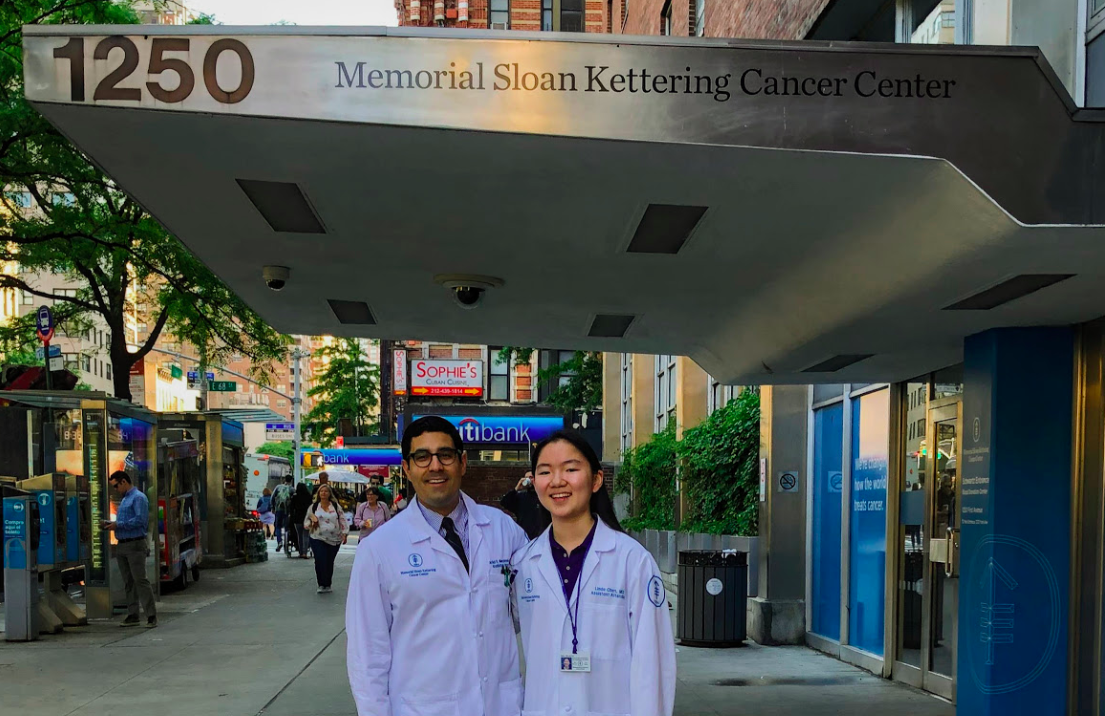
The day started off bright and early as I headed into the city on the 6:45 AM commuter bus with my dad, getting to New York around 7:45. From Port Authority, I took the “shuttle”/subway to Grand Central and another subway (the 6) from Grand Central to the 68th/Hunter College station uptown. After a short walk, I made it to MSK’s main campus, 1275 York Avenue, ready to start the day around 8:15.

One of the first conversations Dr. Marciscano and I had (in fact, in a call prior to clinic that day), was about his schedule. Because he holds clinic in both Monmouth and New York, he splits his days up between the two locations. In addition, rather than having a little bit of clinic every day, he arranges his schedule to see all his patients on Fridays (NY) – and occasionally Wednesdays (NY) – and Saturdays (Monmouth). He uses the other days to catch up with administrative work, treatment planning (which I’ll get into in the next post), and pursue research projects. As he explained this schedule, I started to realize that doctors do not only see patients. They may also pursue research on the side (typically through clinical trial work), whether it be lab work or retrospective studies. Most importantly, he advised, it’s all about finding where your passion lies (in the lab or in the clinic) and developing a satisfactory balance between the two. (MD life advice #1!)

Once I got oriented as to where everything was in the building (entrance, cafeteria, his clinic, his office), we looked over the notes for the first patient together. During that time, I also started looking through some of Dr. Marciscano’s recent presentations at MSK on encouraging radiation therapy and immunotherapy combinations.

We met with around seven patients that day (almost all newly diagnosed localized prostate cancer disease), including a couple of add-ons. A relatively normal number of appointments, with some just status checks and some new consultations, Dr. Marciscano described. While I will not go into any specifics due to HIPAA regulations, I’ll go over a couple of highlights/general findings that I learned as I shadowed Dr. Marciscano/sat in with him during patient meetings:

  • Newly diagnosed patients were given their diagnosis based on a few tests… (*note: simplified)
    • Prostate specific antigen (PSA) blood test – measures PSA levels in the blood; because PSA is a protein made by the prostate/prostate cancers, if there is a very rapid increase in the PSA levels then this could mean there are cancer cells present in the prostate
    • Digital rectal examination (DRE) w/ the PSA test
    • Biopsy – remove tiny amounts of prostate tissue that are then reviewed by the pathologist; the pathologist will assign…
    • Gleason Score – pathologist reviews the tissue and gives a primary and secondary pattern score randing from 3-5, with 3 being malignant tissue closest to normal and 5 being high-risk/highly aggressive cancer; when these two scores are combined, the prostate cancer is assigned a Gleason grade then helps classify patients as  low risk, intermediate, or high-risk (and even further) – when used in conjunction with other clinical factors like the DRE and PSA level.
    • CT/MRI/bone scan – check if there is metastasis (if the cancer has spread) by looking at the lymph nodes and the bone; whether or not the cancer is pushing against anything/threatening to invade the nodes
    • MSK IMPACT testing (specially offered by MSK) – blood test and biopsy to see if there are any germ line mutations (passed down from family/if there is family history of breast cancer/prostate cancer etc.) and potentially use specific drugs to target these mutations
  • After reviewing the results from these tests, Dr. Marciscano works with his team to develop a treatment plan (if the patient so chooses to pursue radiation and is a good candidate for this); there are a couple options at MSK (not comprehensive):
    • Radiation therapy (RT)
      • Conventional (lower doses over longer period of time), moderately hypofractionated, and stereotactic ultra-hypofractionated radiation therapy to the prostate (higher doses over shorter period of time)
      • May include combination with hormone treatment
    • Surgery
      • If there is still a rising/high level of PSA even after the cancer is removed, it is possible there are some cancer cells left; in this case, post-operative salvage RT + hormone treatment to cure the biochemical recurrence
    • Brachytherapy (can also be used alone or in conjunction as a booster dose of radiation) – radioactive sources or “seeds” are implanted into the prostate for either a short (high dose rate) period of time intraoperatively or permanently (low dose rate)
  • All of these therapies have various side effects, ranging from fatigue to urination problems/incontinence to
    • Ongoing treatment – more side effects associated with RT
    • Newly diagnosed – IPSS helps track symptoms/sometimes have no symptoms at all
  • Palliative RT care can also be provided to patients whose cancer is now metastatic
  • Speaking another language is incredibly helpful – Dr. Marciscano could personally connect with a patient speaking Spanish and I helped Dr. Marciscano by speaking Chinese to a patient

Technicalities and specifics about prostate cancer aside, I also witnessed the emotional, financial, and physical toll a cancer diagnosis takes on patients and their families. It is incredibly difficult to adequately inform patients on the extent of their disease while also reassuring them of their treatment options and their path going forward. Finding this balance is crucial – that’s why, at MSK, radiation oncologists, like Dr. Marciscano, work together with surgeons/urologists to allow newly diagnosed patients the opportunity to consider all options before making an important decision on their treatment.

Dr. Marciscano’s team includes his nurse, Mark, who prepares patients (vitals etc.), his assistant, Tabatha, who manages his appointments, and many others at both campuses. Indeed, there is a lot of administrative work (replying to emails, paperwork, patient compliance forms for treatment, etc.). He also works with surgeons/urologists, pathologists, physicists, dosimetrists (for MRI), medical oncologists, and more to ensure that the patient is receiving the best possible care at every step.

At the end of the clinic day, I ultimately realized that one of the most important aspects of going into the medical field as a physician, and especially in oncology, is maintaining a warm physician-patient relationship. Distilling medical jargon down to information that can be shared with patients and their families is an important skill that doctors must develop and hone; Dr. Marciscano is a wonderful example: he gently eased patients into understanding their disease with layperson terms that were clear and concise, knowing when to comfort and when to caution.

While my day finished around 4:30 to catch the bus back to Jersey, Dr. Marciscano had a couple more patients left to see. After each patient, he is very organized and updates all his notes, making sure that every patient’s story is fully represented.

It was a pretty busy clinic day, but I’m happy to have learned quite a bit about prostate cancer and its available treatments.
Friday, May, 10, 2019 (pt. 2)

TL;DR: We saw around seven patients in total, ranging from those with newly diagnosed localized disease to status checks (ongoing treatment) to metastatic disease – mostly for prostate cancer. As I shadowed Dr. Marciscano and sat in on patient meetings, I was able to learn about prostate cancer and the cutting-edge treatments offered at MSK.

The day started off bright and early as I headed into the city on the 6:45 AM commuter bus with my dad, getting to New York around 7:45. From Port Authority, I took the “shuttle”/subway to Grand Central and another subway (the 6) from Grand Central to the 68th/Hunter College station uptown. After a short walk, I made it to MSK’s main campus, 1275 York Avenue, ready to start the day around 8:15.

One of the first conversations Dr. Marciscano and I had (in fact, in a call prior to clinic that day), was about his schedule. Because he holds clinic in both Monmouth and New York, he splits his days up between the two locations. In addition, rather than having a little bit of clinic every day, he arranges his schedule to see all his patients on Fridays (NY) – and occasionally Wednesdays (NY) – and Saturdays (Monmouth). He uses the other days to catch up with administrative work, treatment planning (which I’ll get into in the next post), and pursue research projects. As he explained this schedule, I started to realize that doctors do not only see patients. They may also pursue research on the side (typically through clinical trial work), whether it be lab work or retrospective studies. Most importantly, he advised, it’s all about finding where your passion lies (in the lab or in the clinic) and developing a satisfactory balance between the two. (MD life advice #1!)

Once I got oriented as to where everything was in the building (entrance, cafeteria, his clinic, his office), we looked over the notes for the first patient together. During that time, I also started looking through some of Dr. Marciscano’s recent presentations at MSK on encouraging radiation therapy and immunotherapy combinations.

We met with around seven patients that day (almost all newly diagnosed localized prostate cancer disease), including a couple of add-ons. A relatively normal number of appointments, with some just status checks and some new consultations, Dr. Marciscano described. While I will not go into any specifics due to HIPAA regulations, I’ll go over a couple of highlights/general findings that I learned as I shadowed Dr. Marciscano/sat in with him during patient meetings:

  • Newly diagnosed patients were given their diagnosis based on a few tests… (*note: simplified)
    • Prostate specific antigen (PSA) blood test – measures PSA levels in the blood; because PSA is a protein made by the prostate/prostate cancers, if there is a very rapid increase in the PSA levels then this could mean there are cancer cells present in the prostate
    • Digital rectal examination (DRE) w/ the PSA test
    • Biopsy – remove tiny amounts of prostate tissue that are then reviewed by the pathologist; the pathologist will assign…
    • Gleason Score – pathologist reviews the tissue and gives a combination of scores from 1-5, with 1 being tissue closest to normal and 5 being high-risk/highly aggressive cancer; when these two scores are combined, the prostate cancer can then be classified as low risk, intermediate, or high-risk (and even further)
    • CT/MRI/bone scan – check if there is metastasis (if the cancer has spread) by looking at the lymph nodes and the bone; whether or not the cancer is pushing against anything/threatening to invade the nodes
    • MSK IMPACT testing (specially offered by MSK) – blood test and biopsy to see if there are any germ line mutations (passed down from family/if there is family history of breast cancer/prostate cancer etc.) and potentially use specific drugs to target these mutations
  • After reviewing the results from these tests, Dr. Marciscano works with his team to develop a treatment plan (if the patient so chooses to pursue radiation and is a good candidate for this); there are a couple options at MSK (not comprehensive):
    • Radiation therapy (RT)
      • Conventional (lower doses over longer period of time), Stereotactic hypofractionation accelerated radiation therapy to the prostate (SHARP) (higher doses over shorter period of time)
      • May include combination with hormone treatment
    • Surgery
      • If there is still a rising/high level of PSA even after the cancer is removed, it is possible there are some cancer cells left; in this case, post-operative salvage RT + hormone treatment to cure the biochemical recurrence
    • Brachytherapy (can also be used in conjunction as a booster dose of radiation) – radioactive “seeds” are planted into the prostate for either a short (high dose) or prolonged period of time (low dose)
  • All of these therapies have various side effects, ranging from fatigue to urination problems/incontinence to
    • Ongoing treatment – more side effects associated with RT
    • Newly diagnosed – IPSS helps track symptoms/sometimes have no symptoms at all
  • Palliative RT care can also be provided to patients whose cancer is now metastatic
  • Speaking another language is incredibly helpful – Dr. Marciscano could personally connect with a patient speaking Spanish and I helped Dr. Marciscano 🙂 by speaking Chinese to a patient undergoing treatment

Technicalities and specifics about prostate cancer aside, I also witnessed the emotional, financial, and physical toll a cancer diagnosis takes on patients and their families. It is incredibly difficult to adequately inform patients on the extent of their disease while also reassuring them of their treatment options and their path going forward. Finding this balance is crucial – that’s why, at MSK, radiation oncologists, like Dr. Marciscano, work together with surgeons and urologists to allow newly diagnosed patients the opportunity to consider all options before making an important decision on their treatment.

Dr. Marciscano’s team includes his nurse, Mark, who prepares patients (vitals etc.), his assistant, Tabatha, who manages his appointments, and many others at both campuses. Indeed, there is a lot of administrative work (replying to emails, paperwork, patient compliance forms for treatment, etc.). He also works with surgeons, urologists, pathologists, physicists, dosimetrists (for MRI), medical oncologists, and more to ensure that the patient is receiving the best possible care at every step.

At the end of the clinic day, I ultimately realized that one of the most important aspects of going into the medical field as a physician, and especially in oncology, is maintaining a warm physician-patient relationship. Distilling medical jargon down to information that can be shared with patients and their families is an important skill that doctors must develop and hone; Dr. Marciscano is a wonderful example: he gently eased patients into understanding their disease with layperson terms that were clear and concise, knowing when to comfort and when to caution.

While my day finished around 4:30 to catch the bus back to Jersey, Dr. Marciscano had a couple more patients left to see. After each patient, he is very organized and updates all his notes, making sure that every patient’s story is fully represented.

It was a pretty busy clinic day, but I’m happy to have learned quite a bit about prostate cancer and its available treatments.